
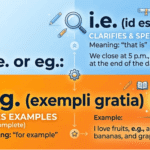
Have you ever stopped while writing because you were unsure whether to use i.e. or e.g.? The two abbreviations are easy to mix up because both add extra information to a sentence. Their jobs are different, though. i.e. is used to explain or specify an idea. e.g. is used to introduce examples. A quick way to remember them is: Look at the difference: The … [Read more...] about i.e. or e.g.: How to Use Them Correctly
Word Differences
Is It There or Their? The Correct Spelling Explained

Introduction Is it there or their? These words can be confusing because they sound almost identical when spoken. The problem becomes easier once you look at what the sentence is trying to say. If you are talking about a place, you will usually need there. If something belongs to a person or group, their is the usual choice. You may also come across they’re, which is … [Read more...] about Is It There or Their? The Correct Spelling Explained
Acclimate vs Acclimatize vs Acclimatise: Which One Should You Use?

Imagine you moved to a new country last month. The weather is different. The food is different. Even the way people talk to strangers on the street feels different. After a few weeks, you start to feel normal again. You got used to it. English has three words for that process: acclimate, acclimatize, and acclimatise. They look almost the same, and they mean the same thing. … [Read more...] about Acclimate vs Acclimatize vs Acclimatise: Which One Should You Use?
Affective or Effective? Learn the Difference Easily

Affective and effective look and sound similar, but they have different meanings. Affective relates to emotions and feelings. Effective refers to something that gets the intended result or does what it is supposed to do. For example, a student's emotional response can be affective, while a study method can be effective if it helps the student learn. There is another … [Read more...] about Affective or Effective? Learn the Difference Easily
Re-sign or Resign? The Easy Way to Get It Right

Re-sign and resign look similar, but they mean different things. Compare these two sentences: In the first sentence, the coach is leaving the job. In the second, the team is signing the coach again. The hyphen in re-sign helps show which meaning you intend. This difference matters in work, sports, contracts, and everyday writing. Re-sign Means Sign … [Read more...] about Re-sign or Resign? The Easy Way to Get It Right